

Magento 2 Migration Errors: Complete Guide.
The migration to Magento 2 involves upgrading an existing Magento 1.x store to the newer Magento 2 platform. This migration is crucial for online businesses to stay up to date with the latest features, the security improvements and performance improvements offered by Magento 2.
However, the migration process can be complex and demanding. Proper planning and execution can ensure a smooth transition, minimize disruption, and leverage the enhanced capabilities of Magento 2. This article explores the common mistakes when migrating to Magento 2 and how to avoid them, along with practical advice to ensure a successful transition.


The top 6 mistakes when migrating to Magento 2.
- Inadequate planning and research.
Major pitfalls during the Magento 2 migration process are often caused by inadequate planning and research. The scope and requirements of the project must be clearly understood to avoid incomplete or mismatched functionality. A thorough analysis of the existing store data and extensions is essential to avoid complications and data loss during the migration.
- Without the advice of a professional Magento migration agency.
Handling the internal transition, without the help of a professional Magento migration agency, often leads to various challenges and complications. Professionals specializing in Magento migrations bring expertise and experience, ensuring a smooth and successful transition. They address compatibility issues, handle data migration, optimize performance, and maintain SEO rankings. With the advice of a professional Magento developer, risks can be minimized and a smooth transition process ensured. This approach allows businesses to focus on their core activities, while leaving the transition process to experts who can deliver high-quality results.


- Neglecting preparation before the transition.
Neglecting preparation before the transition can have significant consequences for success in Magento 2. Complete data backups must be created, settings, and media files of the existing store to ensure that they can be restored if something goes wrong during the migration. Optimizing the performance of the existing store before the migration is crucial to avoid a slow and underperforming Magento 2 store. The database, cache, and indexing should be optimized to improve overall performance and user experience. Preparing before the migration secures your data and ensures a smooth transition to Magento 2, while maintaining optimal performance levels.
- Poor choice of tools and transport extensions.
Choosing the right migration tools and extensions is crucial for a successful migration to Magento 2. Outdated or unsupported migration tools may lack the necessary features and compatibility with the latest version of Magento 2, jeopardizing the entire migration process. Reliable and up-to-date transition tools must be selected to ensure a smooth transition. and successful migration. Compatibility issues with third-party extensions also need to be addressed, as many online stores rely heavily on these extensions. Thorough assessments of the compatibility of all third-party extensions with Magento 2 should be conducted before the migration begins. This may include contacting the extension developers or consultation with Magento experts to ensure that necessary updates or alternatives are available.
Related articles: Differences between upgrading, updating and migrating to Magento.
- Ignoring theme customization and compatibility.
Theme customization and compatibility should not be overlooked during the Magento 2 migration process. Insufficient testing of customizations and themes for compatibility with Magento 2 can lead to unexpected issues and broken functionality after the migration. Conflicts that may arise between customizations and core Magento 2 functionality must be addressed. Sufficient time and resources should be allocated to test customizations and themes before the migration. Conducting thorough compatibility testing, seeking help from developers or theme providers, and making the necessary customizations or updates will ensure a smooth transition to Magento 2 with minimal disruption and maximum functionality.
- No attention is paid to the SEO aspect.


Neglecting SEO issues during the Magento 2 migration can have a negative impact on organic search rankings and website visibility. Proper redirection for all URLs must be ensured to avoid broken links and loss of valuable search engine rankings. Meta tags, URLs, and other SEO-related elements should be reviewed and updated to align with Magento 2 best practices and optimize the site for search engines. By paying attention to the SEO aspect and implementing the necessary optimizations, search engine rankings can be maintained and online viewing to be supported during and after the migration to Magento 2.
Best practices for a successful transition to Magento 2.
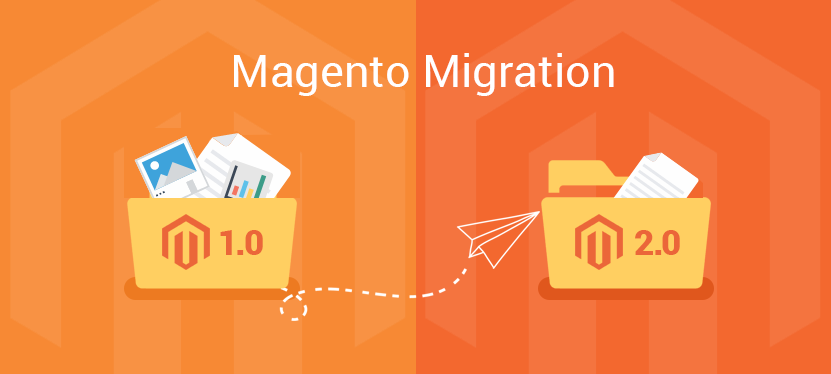

Ένα λεπτομερές σχέδιο και χρονοδιάγραμμα μετάβασης είναι ζωτικής σημασίας για την εξασφάλιση μιας ομαλής μετάβασης. Η συμμετοχή έμπειρων προγραμματιστών και συμβούλων Magento παρέχει πολύτιμη τεχνογνωσία και καθοδήγηση καθ’ όλη τη διάρκεια της διαδικασίας. Thorough testing and quality assurance are essential to identify and resolve any issues or bugs before going live. Training staff members on the new platform and providing support after the transition ensures a seamless experience for both customers and employees. Continuous monitoring and optimization of the relocated store maximize performance, security, and user experience, keeping your store in the best possible condition. By following these best practices, a successful transition to Magento 2 can be achieved, unlocking the full potential of the platform.
Related articles: Magento Support and Maintenance Services
Epilogue.
Adherence to best practices is extremely important for a successful transition to Magento 2. Creating a detailed transition plan, engaging experienced Magento developers, performing thorough testing, training staff, and continuously monitoring and optimizing the migrated store ensure a smooth transition and maximize the benefits of Magento 2.
Common transition mistakes to avoid, such as inadequate planning, neglecting preparation before the migration, poor selection of migration tools and extensions, ignoring customization and theme compatibility, overlooking the SEO aspect, and not consulting with a Magento migration professional. By being aware of these potential pitfalls and taking preventative measures to address them, the risks and complications during the transition process can be minimized.