

Market share overview.
Websites powered by Shopify, WordPress, and Magento account for nearly 711% of the total market share. Today:
- Shopify has over 500,000 customers.
- WordPress has millions of active websites.
- Magento has been powering over 250,000 websites for quite some time.
Key factors.
Many businesses have used or are considering using one of these platforms for their ecommerce website and business. All three are backed by multi-billion dollar companies, ensuring constant updates and improvements.
Choosing the right platform.
With so many differences and similarities, choosing the best ecommerce platform for your business’s needs can be a challenge. This article compares Shopify, Magento, and WordPress to help highlight which platform each business should choose based on their needs. It will break down the pros and cons of each platform and the types of stores they are best suited for.
Shopify.


Shopify is an easy-to-use tool for online merchants that includes a Point of Sale (POS) system for physical stores. It allows businesses to create an omnichannel experience that showcases their brand. The subscription-based platform allows you to create a website, sell, ship, and manage products. Shopify offers numerous tools to analyze every area of your online store, personalize the customer experience, and increase the return on investment (ROI) on your marketing spend.
Top 5 Shopify Stores
- ColourPop Cosmetics
- Fashion Nova
- Jeffree Star Cosmetics
- Omaze
- Decathlon
WordPress.
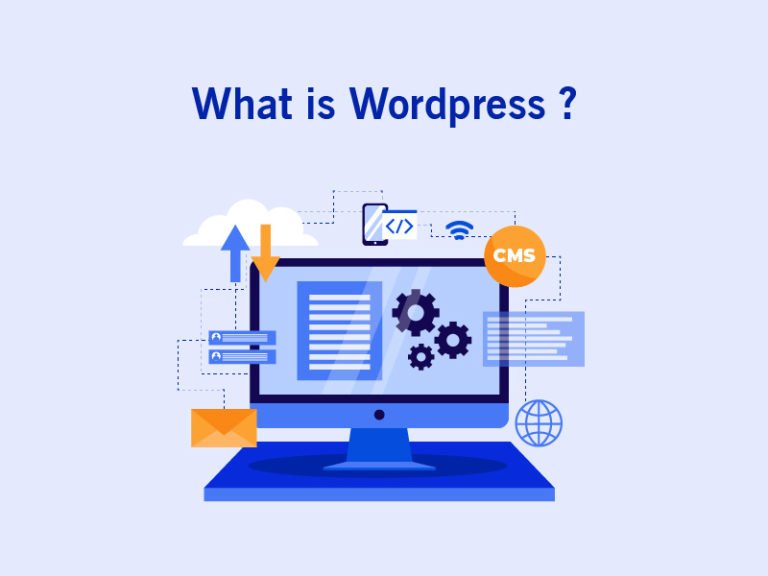
WordPress, developed by Matt Mullenweg and Mike Little in 2003, is a content management system (CMS). It allows users without coding skills to create a website or blog. WordPress is a free, open-source software system released under version 2 (or later) of the GNU General Public License. Its flexibility and ease of use have attracted a huge community of users and developers who create themes, plugins, and tools for various websites.
Top WordPress stores.
- Sony Music
- Playstation Blog
- TechCrunch
- The Next Web
- Time Magazine
Magento.

Magento is a high-end e-commerce platform created with open source software by Roy Rubin in 2008. It allows users to customize the appearance, functionality, and content of their online store. Magento provides essential tools and features for marketing, SEO, and catalog management. The platform can be adapted to any size store, offering both a free Magento Open Source platform and a feature-rich Magento Commerce platform.
Top Magento stores
- Asus
- Land Rover
- Ford
- COURT Asia
- Kipling
Comparison of features.
Ease of use.
| Platform | Ease of use |
|---|---|
| Shopify | Easier to use with a drag-and-drop website building platform. |
| WordPress | A little more complex, it requires plugins or custom code for e-commerce functionality. |
| Magento | Long learning curve, requires coding knowledge or a programmer for adjustment and customization. |
Topics
| Platform | Available topics |
|---|---|
| Shopify | 13 free and 73 paid themes, ranging from $150 to $350. |
| WordPress | Extensive collection with more customization options. |
| Magento | 6 themes that are mobile responsive or fully customizable. |
Pricing.

| Platform | Pricing |
|---|---|
| Shopify | Lite: $9/month, Basic: $29/month, Shopify: $79/month, Advanced: $299/month, Plus: ~$2000/month |
| WordPress | Το κόστος ποικίλλει: Domain ($12), Φιλοξενία ($2.95 – $49.95/μήνα), Θέματα ($0 – $200), Plugins ($0 – $1000), Ασφάλεια ($50 – $550), Αμοιβές προγραμματιστών ($0 – $1000) |
| Magento | Open Source: Free, varies depending on individual use. |
Apps, Extensions and Plugins.

| Platform | Available Apps/Plugins |
|---|---|
| Shopify | Over 4200 free and paid apps. |
| WordPress | Over 50,000 plugins available for self-hosted websites. |
| Magento | Nearly 3600 extensions available through the Magento marketplace. |
SEO
| Platform | SEO capabilities |
|---|---|
| Shopify | Promising SEO functionality, easy editing of meta titles, descriptions and URLs. |
| WordPress | SEO-friendly, with Jetpack Essentials and additional plugins like Yoast SEO. |
| Magento | Comprehensive SEO solutions, including Google sitemaps and SEO-friendly URLs. |
Advantages and disadvantages.
Shopify
Advantages:
- Attractive, flexible store themes
- All-in-one for e-commerce building
- Extensive app store
- User-friendly
- Multiple payment options
- Great community support
Disadvantages:
- Topic cost
- Application integration challenges
- Transaction fees (unless using Shopify payments)
Related articles: 15 Shopify Tips for Success in 2024
WordPress
Advantages:
- Free and easy to use
- Highly customizable
- Efficient product and inventory management
- Support for multiple currencies and payment gateways
- Web analytics
- SEO friendly
Disadvantages:
- Limited e-commerce support
- WooCommerce compatibility required for themes
- Security issues
- Limited functionality for large ecommerce stores
- Inconsistent themes and plugins
Related articles: WordPress & WooCommerce security vulnerability.
Magento
Advantages:
- Strong community support
- Highly customizable platform
- Satisfactory range of topics
- Telephone support available
- No coding knowledge required for Magento Commerce
- Open source and free to use
Disadvantages:
- Long learning curve
- Complicated for beginners
- Time-consuming setup
- High costs associated with setting up a store
Related articles: Off-page SEO techniques for Magento stores.
Conclusions.
Which platform should the business choose?;
- Shopify It is ideal for small businesses that want to develop their online presence.
- Magento It suits large businesses with significant resources.
- WordPress benefits small and medium-sized businesses.
Each platform has unique advantages, and the best choice depends on the project requirements. It’s a good idea to consider pricing, ease of use, payment gateways, product options, SEO features, point-of-sale transactions, multi-currency support, AMP on product pages, and mobile app availability.
If guidance is required in selecting the appropriate platform to suit the business requirements, a team of experienced developers ecommerce store construction can offer valuable advice to find the most suitable solution.