Magento vs. BigCommerce. Which platform is better?;
In the current situation, choosing the right e-commerce platform for the business can be a challenge for an owner. However, in this context, an in-depth comparison between Magento 2 and BigCommerce will be made. It is worth noting that Magento 2, which is the newest open source software, has been certified by more than 290,000 online stores worldwide, while one-fifth of this huge number, i.e. around 62,000 stores, have chosen BigCommerce for their live stores.
The reasons behind this preference will be explored through a careful analysis of various aspects, such as popularity, hosting, pricing, design, extensions, ease of use, features, SEO, community support, as well as a comparison between the Magento 2 and BigCommerce platforms.
Magento vs. BigCommerce: Popularity.
First, it can be concluded that the effectiveness of each option can be reflected by the popularity of each platform. The top e-commerce websites will be examined in order to have a comprehensive analysis.
Out of a million e-commerce websites, 14% are powered by Magento 2, while stores built with BigCommerce account for only 4%. There is a decline in the usage of BigCommerce compared to Magento 2.
In the top 10 thousand ecommerce sites as well, BigCommerce usage falls to 1%. Moreover, both Magento 2 Community and Enterprise editions account for 20% of the sites. It can be concluded that Magento 2 is becoming more prevalent than BigCommerce based on its increasing popularity.
Magento vs. BigCommerce: Hosting.
The main difference between the 9 comparison points lies in the hosting aspect. As Magento 2 is self-hosted, store owners have to contact third-party vendors and providers who provide hosting services. The cost of hosting varies depending on the features and support, allowing users to choose the features they consider best and suitable for their website.
On the other hand, BigCommerce is a complete solution, with hosting already included and without any additional charges. However, users do not have the freedom to choose the hosting solution they prefer, which can be considered a weakness of the platform. In the case of using BigCommerce, users have to deal with the limitations that come with its associated hosting, which could be considered a disadvantage.
The Fixit.gr offers a range of services related to Magento development and hosting solutions designed to meet the diverse needs of clients. Magento development is undertaken by experienced professionals who use the most modern tools and techniques to deliver high-quality results. The Fixit.gr team is committed to providing solutions that are tailored to the specific requirements of each client, ensuring maximum satisfaction.
Magento vs. BigCommerce: Pricing.
When it comes to pricing, both Magento 2 and BigCommerce offer various tiers to meet the requirements of their customers.
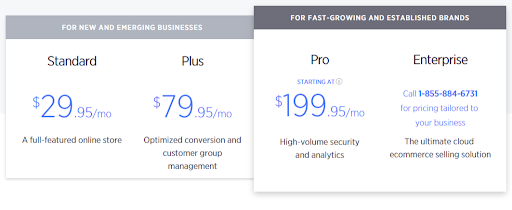
BigCommerce offers a tiered pricing structure, ensuring that customers can choose the most appropriate option for their needs. Hosting for BigCommerce ranges from $29.90 to $199.95 and up per month, depending on the level of services required.
Magento 2 also offers multiple pricing tiers that are tailored to the specific needs of its customers. The Community Edition is available for free, while the Enterprise Edition is priced according to the specific requirements of the customer.
Overall, both Magento 2 and BigCommerce provide flexible pricing options that allow businesses of all sizes to access their services. By offering a range of pricing tiers, these platforms can meet the unique needs and budgets of their customers.
Magento vs. BigCommerce: Design.
The layout of an online store plays a crucial role in determining its success. Both ecommerce platforms offer free design templates, but they have different policies on this matter.
BigCommerce only provides seven free themes and users have to pay for the rest, with prices ranging from $145 to $235. On the other hand, Magento 2 offers numerous free themes available on the Magento Marketplace and other third-party websites in open source. This allows users to customize their designs according to their preferences and requirements. On the other hand, BigCommerce only includes a limited number of design options without any modification, which means users have to use them as is on their store.
However, both platforms share one common feature, which is the support of a flexible layout. This ensures that customers can access the website effortlessly using any device, such as a computer, tablet, or mobile phone, making the shopping process smooth and seamless for them, regardless of the device they are using. By providing responsive layouts, both Magento 2 and BigCommerce make it easy for customers to shop on their platform from anywhere, at any time.
Related articles: Magento Modules that every business needs
Magento vs. BigCommerce: Extensions.
Magento 2 provides a wide range of free extensions that add useful features to the platform, improving the user experience and enhancing the functionality of the website.
A popular extension is Social Login, which allows customers to log in to the website using their social media accounts, making it faster and more convenient to access their account.
The SEO extension is another crucial extension that helps optimize the website for search engines, increasing its visibility and driving more traffic to the website.
Magento 2 also offers a collection of top-notch free extensions, such as One Step Checkout, which simplifies the checkout process, reducing cart abandonment rates and improving the user experience.
Fixit.gr offers a Magento 2 extension store, providing a wide range of options to enhance the functionality of the online store. The selection of extensions available covers a wide range, from Google Analytics 4 integration to marketing automation, offering solutions for businesses of all sizes and needs.
Magento vs. BigCommerce: Ease of use.
When considering an e-commerce platform, it is important to evaluate its ease of use. In terms of ease of use, BigCommerce may be more suitable for beginners than Magento 2, as the BigCommerce dashboard is quite clear and clean. The dashboard provides step-by-step guides for creating a new website, making the process of creating and managing it easier and simpler for users.
Magento vs. BigCommerce: Features.
Ecommerce platforms were designed to provide benefits and aid growth, and both Magento 2 and BigCommerce offer built-in features for ease of use.
BigCommerce offers marketing tools, payment gateways, and various sales channels, along with over 100 add-ons for which merchants must pay monthly fees. On the other hand, Magento 2 is known for its ability to boost online sales and offers powerful features such as comprehensive catalog, inventory, and customer account management control, as well as full page caching. In addition, Magento 2 has improved the checkout process, making it more convenient for shoppers compared to its predecessor. Being an open-source platform, Magento 2 allows store owners to add as many features as they need.
BigCommerce is a simple platform to use, but it can pose challenges in customizing it to suit an owner's specific needs.
Related articles: Magento Vs Shopify. The great eCommerce battle.
Magento vs. BigCommerce: SEO.

SEO, or Search Engine Optimization, plays a critical role in building trust with customers and driving traffic to an e-commerce website. SEO involves optimizing the content, structure, and other elements of a website to rank higher in search engines, such as Google. A high SEO ranking means that the website is more likely to be visible to potential customers searching for related products or services.
When it comes to e-commerce platforms, Magento 2 is recognized as one of the best options for improving SEO rankings. In fact, according to various rankings, Magento 2 consistently ranks at the top of the list for SEO-friendly platforms. By using Magento 2, e-commerce businesses can benefit from advanced SEO features such as meta tags, XML sitemaps, and URL optimization. Additionally, Magento 2 is flexible and customizable, allowing users to tailor SEO strategies to their specific needs and goals.
Magento vs. BigCommerce: community support.
When considering an e-commerce platform, an important aspect to evaluate is the level of support services provided. The success of an online store often depends on the quality of support provided.
In terms of support services, BigCommerce offers assistance through BigCommerce University, which helps users learn how to increase sales. On the other hand, Magento 2 benefits from its large user community, allowing store owners to interact with the Magento community and ask for help from developers. This community-based support system can make everything easier for store owners, as they have access to a wealth of knowledge and expertise.
By comparing and examining the various aspects of each platform, one can make a more informed decision when choosing an e-commerce platform that best suits their specific needs and requirements.
Epilogue and final winner.
In conclusion, after carefully comparing the features, functionality, ease of use, extensions, support services, and pricing of Magento 2 and BigCommerce, it is clear that Magento 2 is superior to BigCommerce. Magento 2 is the winner in all respects. It offers superior SEO capabilities, which are crucial for the success of any online store. With its extensive range of extensions, Magento 2 provides a high level of customization options that can be tailored to the specific needs of each business.
Additionally, the platform’s powerful features, such as full admin control, full page caching, and streamlined checkout processes, make it the preferred choice for online store owners who are serious about increasing sales and customer satisfaction. The support services offered by Magento 2, including the huge Magento community and developer support, are unparalleled and provide users with the help they need to succeed.
Overall, Magento 2 is the best choice for any business looking for a comprehensive and customizable e-commerce platform that can deliver superior performance, increased traffic, and higher revenue.