
Necessary steps for full control of a Magento website.
Even if you’ve invested a lot of time and effort into optimizing and maintaining your Magento website, it’s very likely that there are some underlying issues that need to be addressed. These issues could be related to technical glitches, SEO complications, duplicate content, broken links, sluggish page speeds, or any other factor that may be hindering your website’s ability to attract the traffic and conversions it deserves.
What actions should be taken in such a scenario?;
The ideal approach would be to conduct a thorough audit of your Magento website to identify any underlying issues that may be holding it back. The audit includes an in-depth analysis of the website’s structure, content, and overall performance, which can provide invaluable insights into areas that need improvement.
Conducting a website audit Magento is a critical step that can help improve website performance, boost traffic, and increase conversions. By identifying and resolving issues, you can ensure that your website is performing optimally, providing a seamless user experience, and is easy for visitors to navigate.
 This guide offers a comprehensive overview of why a Magento website audit is necessary and helps guide you through the audit process.
Why is it necessary to audit a Magento website?;
A Magento website audit involves conducting a comprehensive analysis of a website’s performance and its ability to be discovered by search engines. By examining various metrics, a detailed website audit allows you to gauge the effectiveness of the website and identify any technical or maintenance issues that require attention.
There are several compelling reasons why a Magento website audit is vital to the success of your online business. Ensuring optimal user experience, improving search engine visibility, and boosting website performance are just a few of the many benefits that a thorough audit can provide. Therefore, understanding your website’s performance and identifying opportunities for improvement are key to achieving your business goals.
There are various scenarios in which a comprehensive Magento website audit may need to be performed. If it is not ranking well in search engines or is experiencing usability issues such as slow page load times, then a website audit is necessary.
But how often should a Magento website audit be performed? A general rule of thumb is to conduct a full audit at least once a year for small websites. For larger websites with higher traffic volumes and a higher number of web pages, it may be necessary to perform the audit two to three times a year to ensure that the website remains optimized and performing at its best.
Related topics: Magento Modules that every business needs
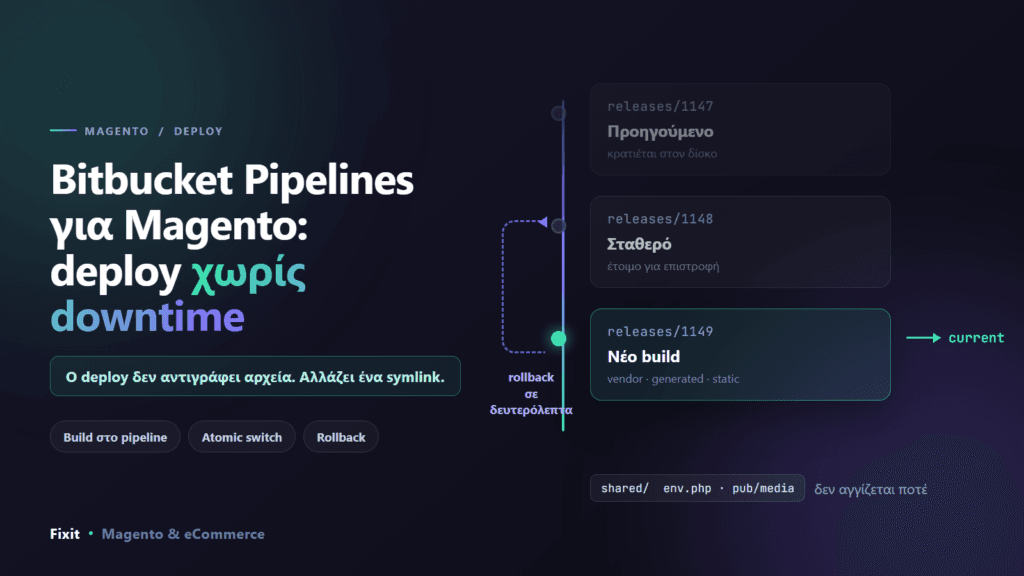
Steps to perform a complete Magento website audit.
Conducting an audit of a Magento website can be a daunting task, especially when examining both the frontend and backend aspects of the website. It is important to take a structured and patient approach to the audit process to ensure that all aspects of the website are thoroughly examined.
First, it is important to have a clear action plan outlining the different stages of the audit process. This will help to stay organized throughout the process and ensure that no critical areas are missed.
Next, you should spend time on each step of the audit process. Rushing through the audit can result in missing critical issues that need attention. So, every aspect of the website should be carefully evaluated, from its design and user interface to its functionality and performance.
It is also important to analyze the backend of the website, including server performance, security features, and database optimization. This can help identify any technical glitches or maintenance issues that may be slowing down the website’s performance.
In conclusion, reviewing your entire Magento website can be a time-consuming and demanding task. However, by taking a patient and structured approach, you can ensure that every aspect of the website is thoroughly reviewed and any issues are addressed.
 Selection of appropriate criteria.
 Selection of appropriate criteria.
The first step in conducting a Magento website audit is to define the criteria. This is crucial to ensure that the audit is tailored to your specific needs and goals. There are several elements that make a website successful and generate revenue. These components can vary depending on the preferences and requirements of the business owner.
Some common criteria to consider when auditing a website are marketing and sales goals, effectiveness, usability, ease of management, SEO and content, design, and security. Within each category, there are specific questions that need to be answered to ensure a thorough audit.
For marketing and sales goals, a business should know its target audience and determine if the website is generating leads. It is important to have a clear picture of the number of leads that need to be generated to set the business’s sales team up for success. Analyzing metrics and progress reports can help determine if the website is showing overall positive growth.
Effectiveness involves understanding the purpose of each page on the site, whether current marketing tactics are generating traffic, and whether there are leads from offers. There should also be CTAs (calls to action) on each page and analyzing what visitors are engaging with the most.
Usability is about assessing whether a website is easy to navigate and loads quickly. Having a mobile-friendly website is essential in today's digital age.
Ease of management covers how easy it is to edit website content, upload images, embed videos, publish new blogs, update the team, and add events.
For SEO and content, the homepage should provide a clear description of your products or services and should constantly offer fresh content that users will want to read. Duplicate content should be avoided and creative titles for blog posts should be used.
Design is about the consistent format of headings, navigation, text, hyperlinks, and typography. The website design should align well with the brand, make the content more digestible, and ensure continuity between images and text.
Finally, it is important to ensure that the website is secure, using the latest version of Magento and having an SSL certificate. It is also vital to have a technical support/maintenance setup.
Related articles: Choosing a Magento Developer
Data from Google Analytics.
Once the criteria for evaluating the performance of your Magento website have been established, it is essential to conduct a thorough analysis of its current state. This step will serve as a benchmark for future assessments, allowing you to track progress and identify areas that require improvement.
First, the available reports can be examined in the Google Analytics dashboard to gain insight into the website's traffic mix. This includes examining the following aspects:
- Seasonal Trends: Observing regular spikes in website traffic and determining whether these patterns align with expected seasonal trends. This information can help plan for peak seasons and optimize marketing strategies accordingly.
- Traffic Channels: Identify which channels drive the most traffic to your site and analyze whether their performance is improving or declining over time. This will help prioritize efforts and allocate resources to the most effective channels.
- Marketing Behavior: Track any recent changes to marketing campaigns or initiatives that may have impacted website traffic. This will help identify which strategies are working and which need improvement.
- Popular pages: Identifying the pages on your site that users visit most frequently. This information can help identify areas of your site that are most engaging to your audience.
 By analyzing these metrics, you can gain a comprehensive understanding of your website's performance and develop a strategy for improving it over time. Regularly reviewing these metrics will allow you to monitor your website's performance and make data-driven decisions to grow your business.
Related articles: Magento Google Analytics G4 – Google Tag Manager (GTM)
Magento website speed.
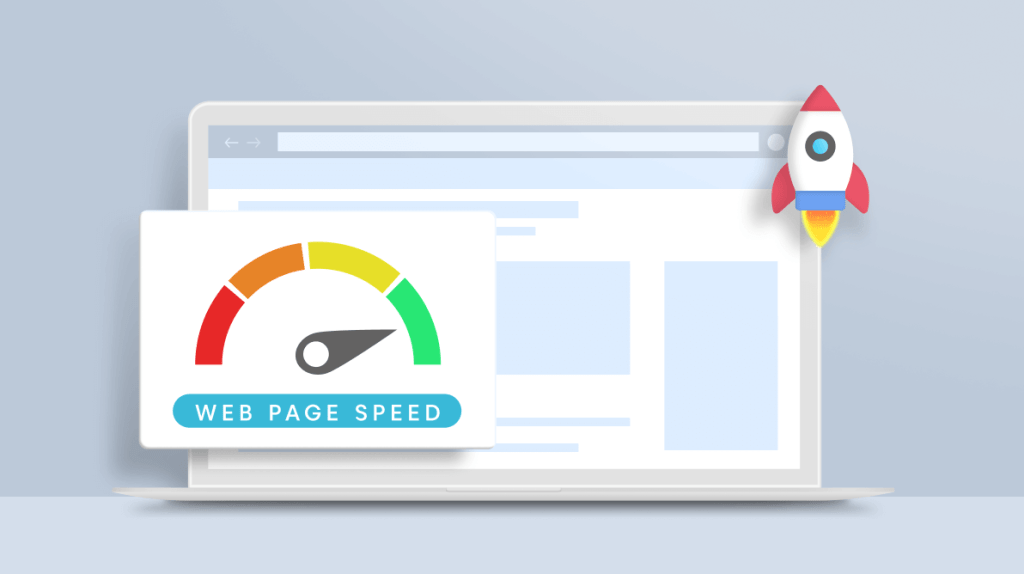
It is crucial to ensure that your website loads quickly, as this directly impacts the user experience. Furthermore, fast page loading speed is considered an important ranking factor by Google. The good news is that there are several free and simple tools available to check your website’s performance and speed.
Google's PageSpeed Insights tool can be used to check website speed and performance. This tool generates reports on performance on both desktop and mobile using lab and field data. Lab data is collected in a controlled environment and is available for all websites. Field data, on the other hand, comes from real user sessions and is only available if the website has sufficient traffic.
Generally speaking, Magento website speed can be improved in two ways:
- Optimizing page load times: This includes optimizing images, leveraging caching, and using a content delivery network (CDN). These techniques can help reduce website load times and improve overall performance.
- Move to a better hosting provider: Website speed can be affected by the quality of the hosting provider. Moving to a faster and more reliable hosting provider can significantly improve website speed and performance.
Related articles: Magento Speed Goes Green? – PageSpeed Insights
Check links and 404 errors.
Having broken links on your website can lead to a poor user experience, so it's essential to address any broken links that lead to the dreaded ’404 page not found“ error message.
Fortunately, Google Search Console provides a useful solution for identifying broken links and 404 errors on your website. Among its many features, Google Search Console includes a Crawl Errors report that lists all pages that returned a 404 error to Google. This report allows you to identify and fix any broken links on your website, ensuring a seamless user experience for your visitors.
User experience testing.
Attention to user experience is crucial for a Magento website to be effective and influential.
User experience involves ensuring that each visitor can easily find what they need on the website, use it the way they expect, and develop positive impressions of the business in the process. User experience is where purpose, design, and technology intersect to enable activity on the website.
When evaluating user experience, the following should be considered:
- Does the website have clear and user-friendly navigation menus?;
- Are there few or no ads that could interrupt the viewing of the content?;
- Are videos embedded in a non-intrusive way, such as embedding them without autoplaying?;
- Has responsive design been implemented to ensure easy viewing on mobile devices?;
- Has lossless compression been used for large graphics to facilitate faster loading?;
Search engine optimization.
On-page SEO refers to the factors of a website that affect its placement in search engines. These factors can be optimized to improve visibility and increase organic traffic to a website. Conducting an on-page SEO audit is an important step in optimizing a website for search engines.
A critical factor in on-page SEO is the quality of the text on a website. The text should be useful, informative, and meaningful, and contain relevant keywords to indicate its importance to search engines. Additionally, optimizing title tags and meta descriptions with relevant keywords can improve click-through rates from search engine results pages.
Using an XML sitemap can also improve the crawlability and indexability of a website by making it easier for search engines to understand its structure and content. Including relevance indicators, such as an address and phone number, can also help with local SEO and indicate to search engines the geographic area that the website serves. Readable and keyword-rich URL structures can improve the user experience and provide additional context to search engines. A clear and easy-to-use navigation menu can also improve the user experience and help search engines understand the hierarchy and organization of a website.
Optimizing images with descriptive file names and alt text can help with accessibility and provide additional content to search engines. A transparent privacy policy and terms of use can improve user trust and indicate to search engines that the site is trustworthy.
 Finally, including social sharing buttons can encourage users to share the site’s content on social media, potentially increasing its visibility and improving search rankings. By following this on-page SEO checklist, website owners can optimize their site’s visibility and drive more organic traffic to their site.
Other practices when fully auditing a Magento website.
A well-designed navigation bar is essential to ensure that visitors can easily find what they are looking for. It is important to check that the navigation menu is clear, free from clutter and links to all important pages, while also allowing visitors to communicate with ease.
By investing in a professional and useful SEO tool, a recurring website audit can be set up to scan your website regularly and alert you to various issues. These tools provide weekly scans and email notifications about changes, error counts, warnings, and alerts.
In Q4 2022, global website traffic from mobile devices, excluding tablets, represented nearly 60%. This remarkable number shows the importance of having a mobile-friendly Magento website to avoid turning away over half of your visitors.