
What is website traffic? (Web Traffic)
Every website has the same purpose, to be seen by customers or users. And in this case, whether the website is performing well is determined by the website traffic, which is considered the most critical element. The image of users and their behavior will be described by all the elements that appear in numbers.
Being one of the most crucial things, website traffic is taken into consideration by every e-commerce owner.
In 0.05 seconds, users form their opinion about a website and then decide to leave or stay on it. During their 24 hours each day, 5.07 billion internet users worldwide will contribute huge traffic to many websites. What is this and what is this huge number?;

What is website traffic?;
The number of visitors to a website can be defined as website traffic. When time is spent on a website, various pages are visited, and additional actions are taken by a visitor, all of these can be calculated as data in website traffic.
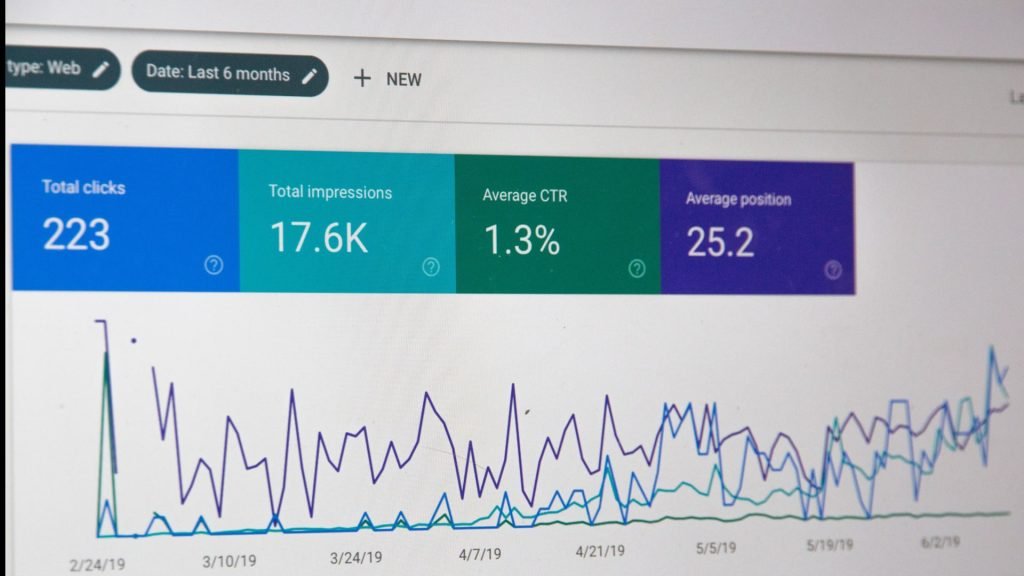
There are a number of ways to measure website traffic, including analytics tools that track the number of visitors, unique visitors, page views, bounce rate, and other metrics. The functioning of this family of website traffic can now be examined in greater depth with modern tools.
5 types of website traffic
Direct traffic
Direct traffic is characterized by visitors who access a website by typing the URL into their browser or clicking on a link saved in bookmarks. In simpler terms, direct traffic occurs when visitors know the website URL and choose to enter it directly into their browser, rather than discovering the website through search engine results or other referral sources.
The importance of direct traffic lies in its indication of high brand awareness and customer loyalty. This type of traffic often comes from repeat visitors who are familiar with the site and its content and return regularly for updates or to make purchases.
It is important to recognize that not all direct traffic can be truly classified as “direct.” Some instances of direct traffic may result from visitors clicking on links from email newsletters, mobile apps, or social media platforms that do not provide referral information. In these cases, the traffic may be incorrectly attributed as direct, even though it comes from another source.
Overall, direct traffic serves as a valuable source of website traffic, providing insights into brand awareness, customer loyalty to businesses. Website owners and marketers can use analytics tools to track direct traffic and identify opportunities to improve user experience, engagement, and conversion rates.
Related articles: Top 10 WordPress Plugins to Improve SEO
Organic traffic
According to studies, the majority of website traffic, corresponding to 53%, is generated from organic traffic, making it the most important source of traffic. Organic traffic refers to the scenario where a user visits a website through an unpaid or natural search engine. The driving force behind organic traffic is the website’s search engine optimization (SEO) efforts. These efforts may include keyword optimization, creating high-quality content, improving page load time, and building high-quality backlinks to the website.
Websites benefit greatly from this type of traffic because of its high value. It tends to be both highly targeted and engaged, as visitors are actively searching for the specific topics or products that the website offers. Additionally, organic traffic proves to be more cost-effective than paid traffic, as it eliminates the need for ongoing advertising costs.

Reference
According to a recently published report, businesses that actively use social media experience 64% more website traffic compared to those that do not engage in social media activities.
Referral traffic to a website includes traffic directed to a website from external sources other than search engines, including other websites, social media platforms, or email campaigns. This means that visitors arrive at the website by clicking on a link that comes from another website or platform, rather than a search engine result.
Referral traffic is of significant value to websites, as it can attract visitors who may not have discovered the website through search engines or alternative means. In addition, referral traffic presents opportunities to cultivate relationships with other websites or platforms, thereby expanding the reach and audience of the website.
Tools like Google Analytics allow website owners and marketers to track and analyze referral traffic, providing insights into website traffic sources and visitor interactions. By diligently tracking and analyzing referral traffic, website owners can identify opportunities to build links to other websites or platforms and optimize their website to increase traffic and engagement.
Paid website traffic
Paid website traffic is characterized by traffic directed to a website through paid advertising channels, including search engine advertising (Google Ads), social media advertising (Facebook Ads), display advertising (banner ads), and various other forms of paid advertising.
Unlike organic or referral traffic, paid traffic relies on pay-per-click (PPC) or impressions to generate website visits. Paid traffic has the potential to be highly targeted and customizable, as advertisers can target specific keywords, demographics, locations, and other criteria to effectively reach their desired audience.
Paid traffic has significant value as a traffic source for websites, especially for businesses looking for immediate results or aiming to boost brand awareness. However, it is important to note that paid traffic can come with significant costs and requires ongoing investment to maintain desired traffic levels.
Email marketing
Traffic directed to a website through email marketing campaigns is referred to as email marketing traffic. Email marketing campaigns involve sending promotional emails or newsletters to a list of subscribers who have signed up to receive communications from the website.
Email marketing traffic is categorized as a form of referral traffic, as visitors arrive at the website by clicking on a link within an email campaign rather than through search engines. Email marketing proves to be a highly targeted and effective method of driving traffic, as subscribers have already expressed interest in the website and its offers.
Email marketing platforms, such as Mailchimp, can be used by website owners and marketers to track and analyze email marketing traffic. These platforms provide insights into the performance of email campaigns and how subscribers are interacting with the website. By diligently tracking and analyzing email marketing traffic, website owners can optimize their email campaigns to achieve improved performance and engagement, ultimately driving more traffic and conversions to their website.
Related articles: Choosing a Magento Developer
Epilogue.
In conclusion, web traffic serves as a vital indicator of a website’s performance, popularity, and effectiveness in attracting and engaging visitors. Whether it’s organic traffic driven by effective SEO strategies, direct traffic from loyal customers, referral traffic from external sources, or paid traffic through targeted advertising, understanding and leveraging the various sources of web traffic can significantly impact a website’s success.
From this point of view, the fixit.gr is emerging as a valuable resource for websites and e-commerce platforms seeking to increase their traffic through strong practices SEO. With the help of expert developers, fixit.gr offers the expertise and guidance necessary to optimize websites and enhance their visibility in search engine results. Leveraging their skills and knowledge, fixit.gr can help websites and e-commerce platforms improve their SEO performance, ultimately leading to higher levels of traffic and unlocking new growth opportunities.