Introduction
The application of AI-driven landing page design techniques has become a critical factor in improving conversion rates in online environments. Using WordPress as a basic platform for creating such pages has become particularly efficient due to the flexibility of its ecosystem, the ability to integrate a multitude of AI tools and its compatibility with modern automation architectures. The design of AI-driven landing pages in WordPress is based on traffic analysis, real-time content adaptation and user journey optimization according to data collected by machine learning algorithms.
Introductory approach to artificial intelligence in landing pages
Artificial intelligence has entered the landing page design process not only as an analysis tool but also as a mechanism for active content customization. Implementing AI components in landing pages includes recommendation systems, predictive analytics, automated copywriting, heatmap analysis, active A/B testing platforms, and real-time personalization engines.
These technologies allow for the optimization of the visitor experience based on historical behavioral data, demographic profile, input sources and browsing path. In the WordPress environment, AI integration is achieved through API integrations, advanced functionality plugins and custom systems connected to data pipelines of external services.
The role of WordPress in creating AI-based landing pages
WordPress acts as a platform that allows the implementation of fully customized landing pages with the ability to connect to artificial intelligence systems. The wide support of themes, page builder frameworks and custom content blocks makes WordPress particularly suitable for the development of static or dynamic landing pages.
Landing pages built on WordPress can incorporate automated content generation mechanisms, adaptive layout modules, and predictive recommendation systems based on AI algorithms. Additionally, the use of REST APIs and GraphQL allows WordPress to easily communicate with external systems, such as AI copywriting services, customer segmentation platforms, and user analytics engines.
In this context, WordPress functions not only as a content management system but also as a meeting point for data, logic and user experience, offering the ability to configure landing pages that evolve dynamically depending on the data collected.
Artificial intelligence and conversion path modeling
Increasing conversion rates on landing pages is directly linked to the way artificial intelligence models user behavior and analyzes the conversion path. Machine learning systems identify patterns that precede successful conversions, study the content that most engages with high-intent visitors, and assess the timing of important actions.
In this context, AI collects data such as dwell time, scroll rate, micro-interactions, clicks on CTA elements and bounce rate. This data is analyzed to create predictive models that indicate in real time the probability of conversion for each visitor. WordPress allows the integration of these capabilities through appropriate plugins, custom integrations or headless architectures.
When designing landing pages, artificial intelligence is used to shape optimal content structure, ensure that the most critical elements are strategically placed, and avoid unnecessary information that causes cognitive overload.
Designing dynamic content using AI
Artificial intelligence enables dynamic content customization on landing pages based on the visitor's profile. This process is built into WordPress through real-time content personalization engines, which pull data from API endpoints and alter parts of the page.
Dynamic content delivery includes changes to titles, descriptions, CTA buttons, images, video modules and trust elements. In cases where the landing page is aimed at multiple audience groups, the use of AI segmentation engines allows for the display of personalized messages, increasing the relevance of the content and improving conversion metrics.
Connecting WordPress to such systems is done either with JavaScript-based integrations or with server-side rendering modules, depending on the nature of the application and the architecture chosen.
Heatmaps and behavioral data analysis
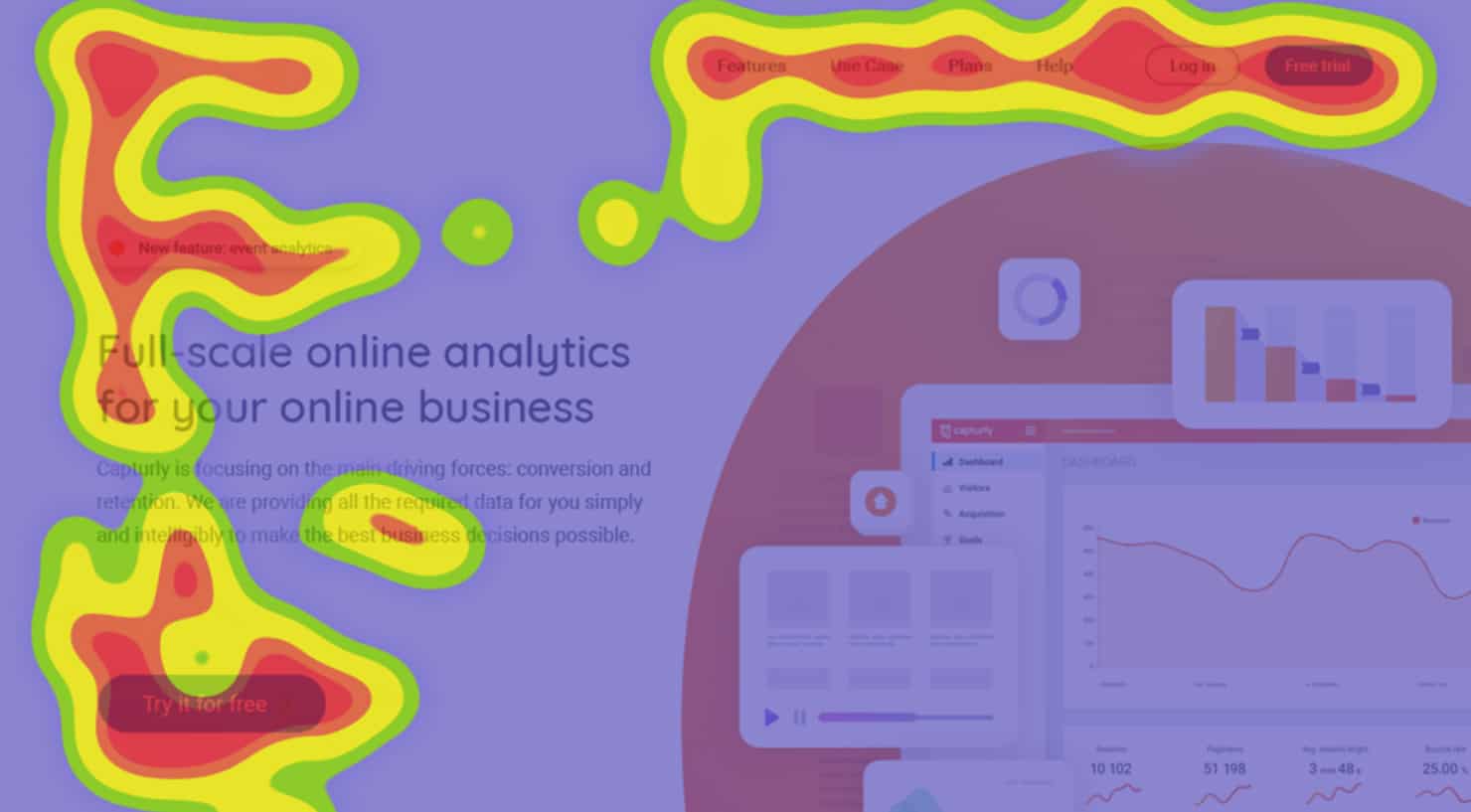
Heatmap analysis is a key element of landing page design, especially when the process is based on artificial intelligence. Through machine learning, heatmaps produce predictive maps of interest that are used to improve layout, CTA placement, and content structure.
These mechanisms are integrated into WordPress through plugins or custom scripts that analyze the way the cursor moves, points of maximum attention, and interaction patterns. By processing this data, landing pages are gradually improved without the need for human intervention.
In more advanced applications, heatmap systems are combined with predictive analytics to create automated suggestions regarding the layout of the page and the performance of its critical elements.
AI Copywriting and automatic content creation
Using AI copywriting engines allows for the simplification of content creation for landing pages in WordPress. These systems generate titles, descriptions, value propositions, FAQs, and microcopy that are based on user behavior data and conversion benchmarks.
AI writers are integrated into WordPress via API integration, allowing for direct content creation or editing within the CMS. The generated text can be further optimized by machine learning models that assess conversion probability and emotional appeal.
In environments where continuous updating of landing pages is required, AI systems function as an automation mechanism, significantly reducing update time and increasing content uniformity.
A/B Testing using automated algorithms
Implementing A/B testing with artificial intelligence allows for the creation of multiple variations of a landing page and the automatic selection of the most effective one. In traditional systems, this selection is made manually after data collection, while in AI-based A/B testing platforms the decision is made automatically by the algorithm.
The algorithm evaluates conversion rate, engagement rate, and quality of interaction, adjusting in real time the variations displayed to users. The integration of such technologies into WordPress is achieved through custom integrations or third-party services that offer machine learning optimization.
In more advanced implementations, multivariate testing is used, in which variations of multiple page elements are evaluated simultaneously, allowing the identification of complex patterns that affect conversion.
Using predictive analytics for conversion optimization
Predictive analytics systems evaluate demographic characteristics, traffic sources, behavioral variables, and historical data to predict the likelihood of completing a specific action, such as a purchase, form completion, or registration.
Integrating predictive models into WordPress landing pages is accomplished by connecting to external platforms that provide real-time scoring. This data is used to adjust the layout, CTA elements, offers, or trust signals displayed to the visitor.
Predictive analytics allow for increased conversion rates without increasing traffic, by improving the way the user navigates the page.
AI-driven UX Optimization on WordPress landing pages
Artificial intelligence is used to improve the user experience through usage analysis, automatic correction of UX bottlenecks, and adaptation of the interface according to the visitor's needs.
UX optimization engines analyze data such as attention lag, frustration signals, failed actions, and abandonment patterns. The landing page is automatically adjusted to reduce obstacles and increase the likelihood of completing the desired action.
Integration into WordPress is done with custom scripts, server-side personalization engines or AI-enabled plugins that improve layout, typography, spacing, color contrasts and content hierarchy.
Headless WordPress and AI Landing Pages
Headless architecture enables the development of landing pages in frameworks such as Next.js, Gatsby and Nuxt, while WordPress acts solely as an API provider. By using headless WordPress to build landing pages, artificial intelligence is more effectively integrated through dynamic rendering, edge personalization and global CDN-based content delivery.
AI systems leverage headless architecture to deliver customized content without delays, while behavioral models are updated in real-time across all endpoints.
In cases with high traffic volumes, headless implementation reduces the load on WordPress and allows for more stable and efficient operation.
Workflow automation mechanisms
Artificial intelligence is used to manage workflows related to creating, publishing, and updating landing pages. Automated authoring systems create pages based on templates, linking content, metadata, images, and structured data.
Also, processes such as updating prices, changing offers, activating different sections of the page, and managing seasonal content can be performed automatically. Integrating these flows into WordPress is done through API cron systems, Webhooks, or AI-powered workflow engines.
SEO Optimization with AI for Landing Pages
Artificial intelligence is used to optimize SEO on landing pages, improving structure, title, descriptions, semantic relevance, and structured data. AI SEO engines analyze the content of the page, compare the data with competitive benchmarks, and create improvements that can be automatically applied to WordPress.
Additionally, semantic analysis systems identify highly relevant keywords, while AI-driven internal linking helps create a network of links that enhance the visibility of the landing page.
Mobile-first and responsive AI adaptation
Artificial intelligence is used to improve responsive landing page architecture. Adaptive rendering systems test multiple mobile layouts and select the most efficient one based on the user's profile and device.
The responsive behavior of the landing page can be dynamically adjusted through AI-powered breakpoints, optimizing loading speed, visual hierarchy, and readability.
Security and compliance
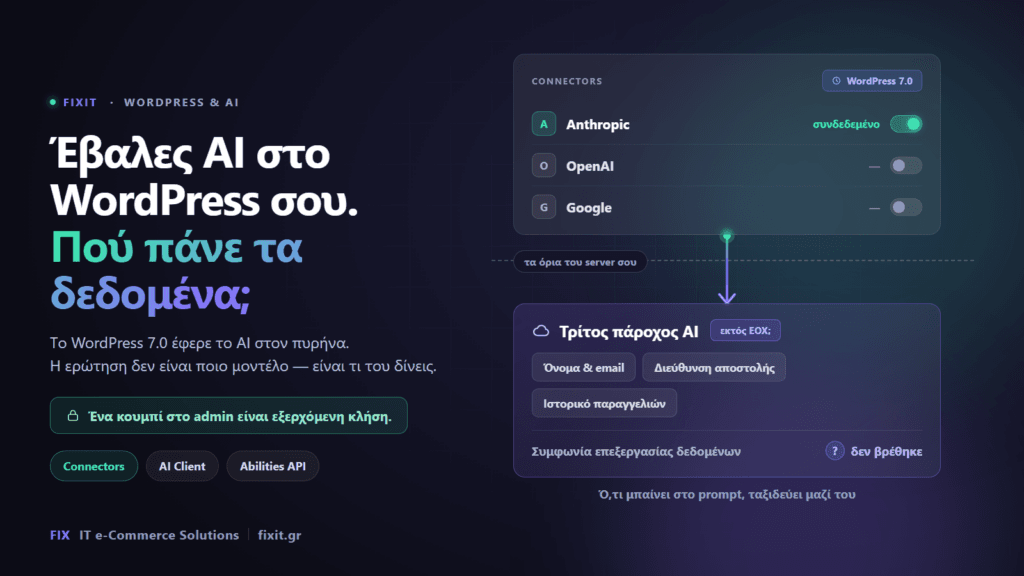
Integrating AI into WordPress landing pages requires GDPR compliance, data encryption, and secure authentication mechanisms on AI endpoints. Due to the constant communication with external APIs, rate limiting, data minimization, and secure cookie or identifier management policies are implemented.
Conclusion
AI-driven landing page design in WordPress is a comprehensive and sophisticated conversion rate optimization practice. The combined use of artificial intelligence, dynamic behavioral models, predictive analytics, and headless architectures allows for the development of high-performance pages with the ability to continuously self-improve.
The philosophy of artificial intelligence in landing page design transforms the process of creating user experiences, eliminating the need for manual intervention and allowing the page to evolve autonomously based on data.
For the implementation of AI landing pages in WordPress, the integration of artificial intelligence systems, the configuration of headless architectures and the optimization of conversion-driven infrastructures, specialized technical solutions are provided by the team. Fixit.gr, with full requirements analysis and design of customized systems for operational use.